
Overbite Correction with Clear Aligners | UK Guide
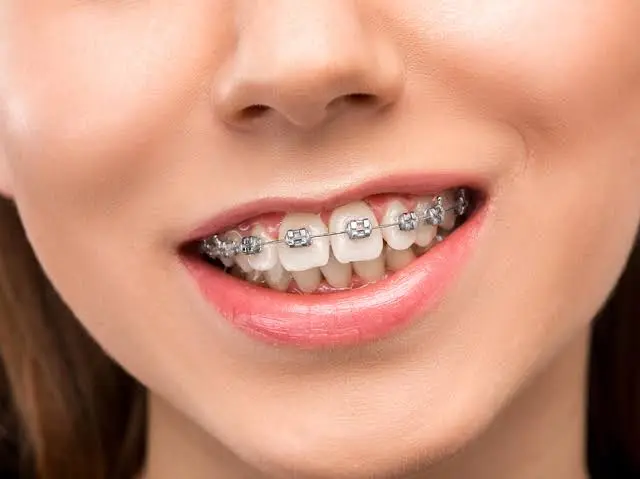
An overbite is one of the most common bite issues dentists see, and it is also one of the conditions people assume needs metal braces to fix. That assumption is outdated. For most mild and moderate cases, an overbite can be corrected with clear aligners, using the same gradual, staged approach that straightens crowded or gapped teeth, just applied to how your upper and lower teeth meet rather than how straight they sit individually. This guide walks through what an overbite actually is, what causes it, how clear aligners correct it, when a different treatment is a better fit, and what the full process looks like from assessment through to a finished smile, including realistic timelines and UK pricing. What is an overbite and what causes it An overbite describes the amount your upper front teeth overlap your lower front teeth when your jaw is closed. A small degree of overlap is completely normal and is actually part of a healthy bite, since it helps protect your teeth and allows your jaw to function properly when you chew and speak. A problem overbite is one where that overlap goes beyond what is considered typical, to the point where it starts to affect comfort, appearance, or the long term health of your teeth and gums. There are a few common reasons an overbite develops. Genetics are the biggest factor, since the size and shape of your jaw, along with the position your teeth naturally grow into, are largely inherited from your parents. Childhood habits play a role too. Prolonged thumb sucking, extended use of a dummy past the age most children stop, or long term bottle feeding can all gradually push the upper front teeth forward over time, and the effect tends to be more pronounced the longer the habit continues. Missing teeth, teeth lost early without replacement, and general tooth drift as you age can also contribute to an overbite developing or getting worse later in life, even in adults who had a normal bite as children. How to tell if you have an overbite worth treating Most people can spot an overbite simply by looking at how their teeth sit when they bite down naturally in front of a mirror. If your upper front teeth cover a large portion of your lower front teeth, or your lower teeth are barely visible at all when your jaw is relaxed, that overlap is usually more than the typical healthy amount. There are a few other signs worth paying attention to as well. Jaw discomfort or a feeling of tightness, clicking or popping in the jaw joint when you open and close your mouth, uneven or excessive wear on certain teeth, and difficulty biting into firmer foods comfortably can all point toward an overbite that is affecting function rather than just appearance. None of these signs confirm an overbite on their own, and some can have other causes entirely. Together with the visual overlap though, they are a good reason to book an assessment with a dentist rather than try to self diagnose from a mirror or a search engine. Mild, moderate and severe overbite explained Dentists tend to group overbites into three broad categories based on how pronounced the overlap is and what is driving it. A mild overbite involves a small amount of extra overlap beyond what is typical, and it often causes no real functional problems beyond a cosmetic concern about how the smile looks. A moderate overbite is more noticeable and can start to cause genuine issues, including uneven wear on the front teeth, mild jaw discomfort, or a bite that feels slightly off when chewing. A severe overbite, which dentists sometimes refer to as a deep bite, involves significant overlap and can be severe enough that the lower teeth barely make contact with the upper teeth at all during normal biting. The important distinction within a severe overbite is whether it comes from the position of the teeth or from the underlying shape of the jawbone itself. A severe dental overbite, where the teeth are simply positioned badly but the jaw structure is fine, can often still respond well to clear aligner treatment. A skeletal overbite, where the jawbone itself has grown in a way that creates the overlap, usually needs a different approach entirely. How clear aligners treat an overbite Clear aligner treatment for an overbite uses a series of custom made plastic trays, with each one in the sequence slightly different from the last. As you progress through the series, typically wearing each tray for one to two weeks before switching to the next, the trays gradually pull the upper front teeth back and push the lower front teeth forward, closing the gap between them step by step. For overbite cases in particular, dentists will often add small tooth coloured attachments to specific teeth before treatment begins. These attachments act as grip points for the aligner tray, giving it something to push and pull against with more precision than plain aligner plastic can achieve alone. Without attachments, certain tooth movements involved in overbite correction, particularly ones that involve tipping or rotating a tooth rather than just sliding it, are much harder to control accurately. Your dentist maps the entire sequence out in advance using a digital scan of your teeth, which means the full treatment plan, from your starting bite through to the corrected position, is planned before you receive your first tray. You can read more about how clear aligners work as a treatment more generally if you want the fuller picture beyond overbite cases specifically. Clear aligners vs Invisalign for overbite treatment Invisalign is a specific, well known brand of clear aligner, and it does treat overbites using broadly the same approach described above, including the use of attachments for bite correction cases. The underlying mechanics are shared across most reputable clear aligner systems, since they are all built on the same core principle of staged, gradual tooth movement guided by a