
Does Invisalign Hurt? Pain Timeline, Causes & Relief Tips (2026)
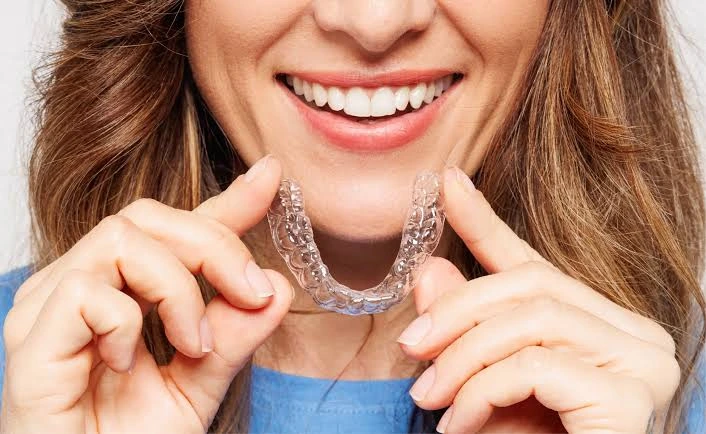
Does Invisalign Hurt? Pain Timeline, Causes & Relief Tips If you’re weighing up whether to start Invisalign, there’s a good chance pain is the thing holding you back. It’s one of the first questions almost every patient asks us, and honestly, it’s a fair one to ask before you commit to months of treatment. Here’s the short version. Invisalign doesn’t hurt in the way most people picture when they hear the word “pain.” What you’ll actually feel is pressure, mostly in the first day or two after putting in a new tray, and it settles down well before the next one arrives. Most people describe it as tightness rather than anything sharp. It’s uncomfortable at times, sure, but it’s not the kind of thing that stops you going about your day. We get asked this question in almost every consultation at Lucent Clear Aligners, so we wanted to put together something more useful than the usual one-line answer. Below we’ll walk through what the discomfort actually feels like, how long it tends to last, why it happens in the first place, how it stacks up against braces, and what genuinely helps when a new tray leaves your teeth feeling tender. Does Invisalign Hurt? What the Discomfort Actually Feels Like Aligners work by putting steady, gentle pressure on your teeth so they shift into a new position over time. That pressure is really what people mean when they ask if Invisalign hurts, and for most patients it’s noticeable rather than painful. Is Invisalign Painful or Just Uncomfortable? The way patients usually describe it to us is tightness, or a slightly bruised feeling around the teeth, a bit like what you’d feel after accidentally biting down on something hard. It’s not sharp, and it doesn’t throb. If what you’re feeling is more like actual pain than pressure, that’s usually a sign something needs a second look, which we’ll come back to later. What Does Invisalign Feel Like? In the first day or so with a new tray, you’ll probably notice: A snug, almost too-tight feeling as the aligner beds in Some tenderness when you bite down or chew A dull ache that tends to be more obvious at night or first thing in the morning Mild soreness where the edge of the tray sits against your gums Give it three or four days and most of that has faded into the background. How Long Does Invisalign Hurt? This is probably the question we hear most after “does it hurt” itself, and it makes sense. Once you know roughly how long the discomfort lasts, it stops feeling like a big deal. Pain on the First Day Your very first tray, or any brand new one, tends to bring the strongest pressure in that first 24 hours. It’s the moment your teeth first register the force, so it’s worth expecting a bit of an adjustment. Pain in the First Week Most of the soreness shows up within the first day or two of switching trays and eases off from there. By the end of the week, the majority of patients say they’ve stopped noticing it. Your cheeks and tongue might take a little longer, maybe a week or two, to get used to having plastic in your mouth all day. That’s completely normal too. When Does Invisalign Stop Hurting? For most people, discomfort disappears within a week of changing trays and doesn’t come back until the next change, at which point it repeats in a smaller way. Quite a few patients tell us later trays actually feel easier than the first few, partly because they know what’s coming and partly because their mouth has simply adjusted to wearing aligners. If it’s been more than a week since your last tray change and you’re still sore, it’s worth mentioning to your dentist rather than waiting it out. Why Does Invisalign Hurt? (The Real Causes) Knowing what’s actually happening in your mouth tends to make the whole thing feel a lot less worrying. Tooth and Periodontal Ligament Pressure Each aligner is designed to nudge your teeth by a tiny fraction of a millimetre. That movement happens through the periodontal ligament, the tissue holding each tooth root in its socket, which gradually remodels around the tooth as it moves. That remodelling is what causes the pressure sensation, and it’s a normal part of how any orthodontic treatment works, whether that’s aligners or braces. It’s also worth knowing that a poorly fitted aligner can put uneven force on this ligament, which is one of the reasons treatment should always be planned and checked by a qualified dentist rather than an unsupervised, mail-order kit. Gum Irritation and Sore Spots Sometimes the edge of a new tray rubs slightly against your gumline until your mouth gets used to its shape. It usually settles within a few days, once the plastic warms to body temperature and softens a little with wear. Jaw Soreness Some patients feel mild jaw or muscle soreness, especially if bite correction is part of their plan. A warm compress or some gentle jaw stretches usually helps. Tongue and Cheek Irritation New trays can feel a bit bulky to begin with, so it’s common to notice your tongue or cheek catching on them, particularly around attachments (the small tooth-coloured bumps that help guide movement). This tends to fade quickly as your mouth learns the new shape. Is the First Tray the Worst? Pain With Each New Aligner A lot of patients assume the discomfort builds as treatment goes on, but for most people it’s actually the reverse. The first tray is usually the toughest, simply because your teeth and mouth have never dealt with this kind of pressure before. After that, each new tray tends to bring a smaller, more familiar version of the same feeling: a bit of tightness for a day or two, then it fades. Trays involving bigger movements, like rotating a tooth or closing a wider gap, can feel a little more noticeable