
Clear Aligners Cost UK: The Complete 2026 Price Guide
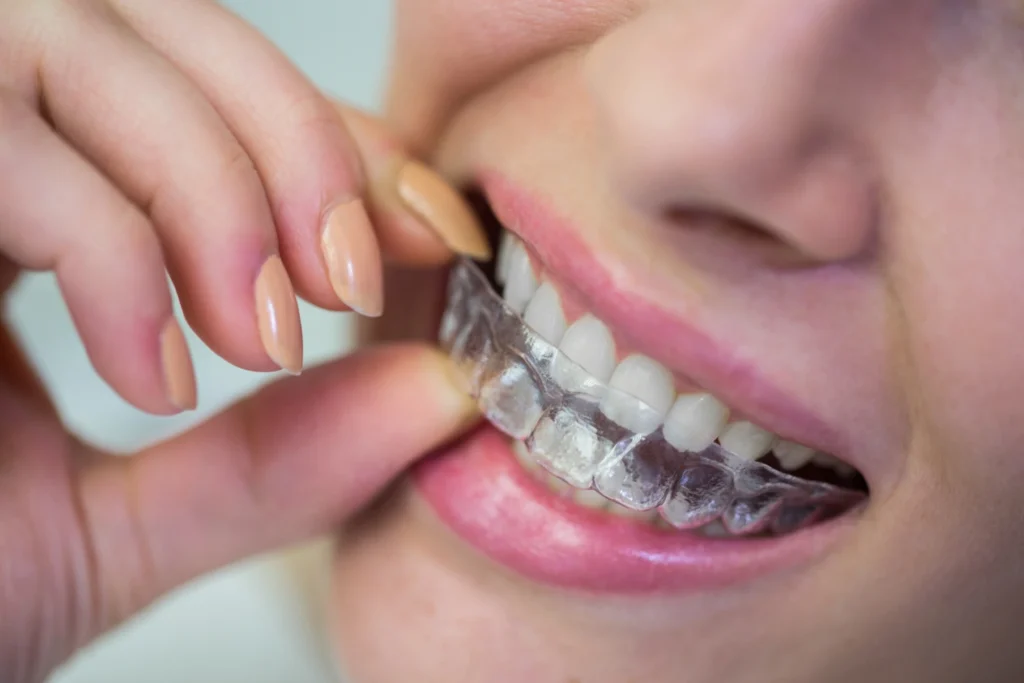
Clear Aligners Cost UK: The Complete 2026 Price Guide Clear aligners cost between £950 and £5,500 in the UK. Most people pay somewhere between £1,800 and £4,000 for a full course of treatment. That’s a wide range. There’s a good reason for it: “clear aligners” isn’t one product. It’s a whole category. It covers everything from £30-a-month mail-order kits to premium branded systems fitted by a specialist. Four things shape your final price. How much your teeth need to move. Whether you’re treated in-clinic or by post. Which aligner brand your provider uses. And what’s actually included in the quote. This guide walks through all four. By the end, you’ll know what a fair price looks like for your case, before you book anything. Clear Aligners vs Invisalign: What’s the Difference? Quick clarification first, because it affects every price comparison you’ll make. Invisalign is a brand. Clear aligners is the category. Every Invisalign product is a clear aligner. Not every clear aligner is Invisalign. Several other systems do the same job. Spark Aligners, Angel Aligners, ClearCorrect, and dentist-led brands like Lucent all move teeth the same basic way. Each uses a series of custom, removable plastic trays. Each tray makes a small adjustment before the next one takes over. The materials and treatment planning technology across these brands are broadly comparable. Price is where they differ most. A large part of that gap comes down to brand licensing fees, not clinical quality. This matters for your search. If you look up “clear aligners cost UK” expecting an Invisalign-only answer, you’ll miss cheaper options. Some could suit your case just as well. What Determines Clear Aligner Cost in the UK Five factors drive the price you’re quoted: Case complexity. Minor crowding needs fewer aligner trays than a full bite correction. Fewer trays means a lower cost. Treatment length. Short cases (3–6 months) cost less than long ones (12+ months). Longer treatment needs more aligner sets and more check-ins. In-clinic vs at-home. Dentist-supervised, in-clinic treatment costs more than mail-order kits. You’re paying for professional oversight, not just plastic trays. Brand. Premium, heavily marketed brands charge more than newer or dentist-led alternatives. This holds even when the clinical approach is similar. What’s included. Retainers, whitening, and refinement aligners are sometimes bundled in, sometimes billed separately. Always check before comparing two prices. Understanding these five factors changes how you read every quote. Two providers can name the same total price for very different levels of service. The breakdown behind that number is what actually tells you whether it’s a fair deal. What Case Complexity Actually Looks Like “Mild” and “complex” get used loosely in aligner marketing, so it helps to see what they mean in practice. Mild cases usually involve small gaps or slight crowding on the front teeth. These often need 10–20 aligner trays per arch and finish in 3–6 months. Expect the lower end of the price range. Moderate cases involve more noticeable crowding, spacing, or minor bite issues across more of the arch. These typically need 20–35 trays and run 6–10 months. Pricing usually sits in the middle of the range. Complex cases involve significant crowding, larger gaps, or bite correction. These can need 35 trays or more, sometimes alongside attachments or interproximal reduction (a small amount of enamel reshaping to create space). Treatment often runs 12 months or longer, at the top of the price range. Your dentist can only confirm which category you fall into after a proper scan. Anyone quoting you a firm price before that point is guessing, not assessing. Clear Aligners Cost by Type: In-Clinic vs At-Home This is the single biggest cost split in the UK aligner market. It’s worth understanding before you compare any prices at all. Treatment Type How It Works Typical UK Cost Key Trade-Off Mail-order aligner kits You take your own impressions at home; a dentist reviews remotely £950–£2,200 No hands-on exam, limited case suitability In-clinic, dentist-supervised (mid-tier) 3D scan, in-person fitting, regular dentist check-ins £1,800–£3,500 Higher price, full clinical oversight In-clinic, premium brand Same process, branded aligner system with higher licensing cost £2,500–£5,500 Brand recognition adds to the price Mail-order kits look cheaper on paper. For very minor cases, they can genuinely work well. But they only suit simple cases. Dental bodies, including the British Orthodontic Society, have raised concerns about treatment that skips a hands-on clinical exam entirely. If your case involves bite issues, more than mild crowding, or anything a dentist hasn’t physically assessed, in-clinic supervision isn’t a premium extra. It’s how safe, predictable movement actually happens. A dentist who can see and touch your teeth catches problems a photo simply can’t show. Clear Aligners Cost by Brand Here’s how the main systems available in the UK compare on price for a full course of treatment. Brand/System Typical Full-Treatment Cost Positioning Invisalign £2,500–£5,500 Market leader, highest brand recognition Spark Aligners £2,200–£4,500 Comparable clinical approach, slightly lower cost ClearCorrect / Angel Aligners £1,800–£4,000 Mid-market, dentist-led networks Mail-order brands £950–£2,200 Lowest cost, remote monitoring only Lucent Clear Aligners £1,895–£4,495 Fixed, all-inclusive pricing, in-clinic throughout Lucent sits in the mid-market band on price. Every plan includes retainers and whitening as standard, though. Several premium brands charge these as extras on top of the headline number, which is worth checking for on any quote you compare this against. Hidden Costs to Watch For in Clear Aligner Quotes A headline price rarely tells the whole story. Before you compare two quotes side by side, check whether each one actually includes the following: Initial consultation and 3D scan. Usually included, but occasionally billed separately as a £50–£100 assessment fee. Attachments and IPR, if your case needs them. Some providers quote these as extras once treatment is underway. Refinement aligners. A second, shorter set of trays if your teeth need minor extra adjustment near the end. Some providers include one round free; others charge for any refinement. Retainers. Essential after treatment finishes, to stop teeth reverting. Sometimes billed separately at £150–£400 if not clearly