
Gap Teeth: Causes, Treatment and How to Close the Gap
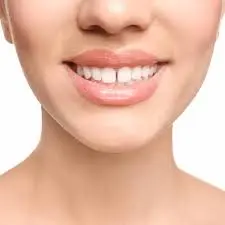
A gap between your teeth can be a natural part of your smile. For some people, it is a feature they like. Others may prefer a more even appearance and want to explore ways to close the space. The good news is that there are several ways to treat gap teeth. Depending on the size of the gap, your tooth alignment and your dental health, options may include clear aligners, traditional braces or cosmetic treatments such as dental bonding. The first step is understanding what caused the gap. This matters because closing the space is not always as simple as moving two teeth closer together. Your dentist or orthodontist may need to consider your bite, gum health and the position of your other teeth before recommending treatment. This guide explains why gaps develop, which treatments are available and what to consider before choosing an option. What Are Gap Teeth? Gap teeth are teeth with visible spaces between them. The dental term for a gap between two teeth is diastema. A diastema can occur anywhere in the mouth, but the most noticeable example is often the space between the two upper front teeth. Gaps can also appear between other teeth, including the lower front teeth or teeth further back in the mouth. The size of a gap can vary. Some spaces are barely noticeable, while others are wide enough to affect the appearance of a smile or allow food to become trapped. Gap teeth are common in children and adults. In children, spaces between baby teeth are often part of normal dental development. These gaps may become smaller as permanent teeth emerge. In adults, a gap may have been present for years or may develop later in life. A longstanding gap is not necessarily a dental problem. However, a new or widening gap should be checked by a dentist because it can sometimes be associated with changes in gum health or tooth position. What Causes Gaps Between Teeth? There is no single cause of gap teeth. The reason for the space helps determine whether treatment is necessary and which option is most appropriate. 1. Genetics and jaw size Genetics can influence the size of your teeth, the shape of your jaw and the way your teeth are positioned. If your jaw has more space than your teeth need, gaps may develop naturally. You may also notice similar spacing in other members of your family. A gap caused by the natural relationship between tooth size and jaw size does not automatically require treatment. If you are happy with your smile and your teeth and gums are healthy, leaving the gap alone may be a reasonable choice. 2. A large labial frenum The labial frenum is the small band of tissue connecting the inside of your upper lip to the gum above your front teeth. In some people, this tissue is thicker or attaches lower than usual. It may contribute to a space between the upper front teeth. An orthodontist or dentist can assess whether the frenum is affecting the gap. Simply removing or altering the tissue is not always necessary, and the right approach depends on the individual case. 3. Missing or undersized teeth If a tooth is missing, smaller than average or has not developed fully, the surrounding teeth may have extra room. This can leave a visible gap or create spacing across several teeth. In these situations, closing a gap by moving neighbouring teeth may not be the only consideration. A dentist may need to assess whether the missing or undersized tooth should be replaced or whether the shape of the teeth should be adjusted as part of a wider treatment plan. 4. Childhood habits Habits such as prolonged thumb sucking or repeatedly pushing the tongue against the front teeth can affect tooth position over time. These habits may contribute to spacing or changes in the way the upper and lower teeth meet. If the habit continues, it may also affect the stability of orthodontic treatment. A dental professional can assess whether a habit is contributing to the gap and whether it needs to be addressed alongside treatment. 5. Gum disease and changes in tooth position Gum disease can damage the tissues and bone that support your teeth. As support is lost, teeth may become loose or move apart. A gap that develops in adulthood, particularly when accompanied by bleeding gums, swelling, bad breath or loose teeth, should not be treated as a purely cosmetic issue. The underlying gum problem needs to be assessed and managed before considering orthodontic treatment. Moving teeth without addressing active gum disease can put their health at further risk. 6. Natural movement over time Teeth are not permanently fixed in one position. Their alignment can change throughout life because of normal movement, previous orthodontic treatment, changes in the bite or other dental conditions. A small gap may become more noticeable over time. If the space is new or continues to widen, book a dental assessment to identify the cause rather than assuming that aligners or braces are the immediate answer. Are Gap Teeth Normal? Yes. Gaps between teeth are often a normal variation in tooth development. Many children have spaces between their baby teeth. These spaces can be part of the natural process of preparing for larger permanent teeth. A gap between the upper front teeth may also close as a child’s permanent teeth develop, although this does not happen in every case. Adults can have gap teeth without experiencing any dental problems. If the space has been present for a long time and your teeth, gums and bite are healthy, treatment may be optional. However, it is important to distinguish a longstanding gap from one that has recently appeared or become larger. Changes in spacing can sometimes indicate gum disease or movement caused by another dental issue. Speak to your dentist if you notice a new gap, loose teeth, bleeding gums or changes in the way your teeth fit together. How Can You
Invisalign in Charlton SE7: Cost, Providers & Alternatives
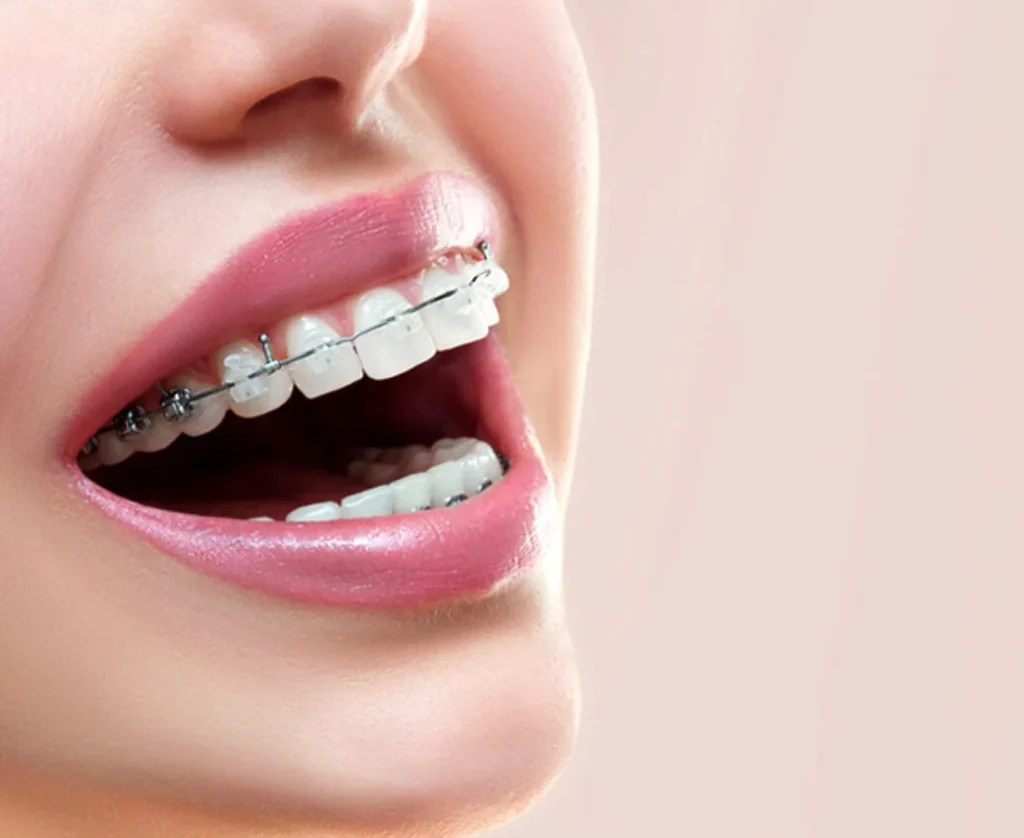
If you live in Charlton or anywhere across SE7 and you have been thinking about straightening your teeth, you are probably weighing up a few different routes. Invisalign is usually the first name people search for, but it is worth knowing that Invisalign is actually one brand within a wider category of clear aligners, and there are dentist supervised alternatives available right here in southeast London that can give you similar results for a lower cost. This guide walks through what Invisalign actually involves, what it costs in Charlton and the wider Greenwich area, how it compares to clear aligners and traditional braces, and how to find a provider near Charlton Station without overpaying for a treatment that could be simpler to access than people assume. Charlton sits within the Royal Borough of Greenwich in southeast London, close to Charlton Station and within easy reach of Blackheath and Woolwich. It is a part of London with plenty of young professionals and families who want straighter teeth but do not want the look of traditional metal braces, which is exactly the gap that clear aligner treatment fills. What Invisalign and clear aligners actually are Invisalign is a brand name for a type of clear aligner system. Clear aligners work by using a series of thin, custom made plastic trays that gradually move your teeth into a straighter position. Each tray is worn for around one to two weeks before you move on to the next one in the sequence, and the whole series is mapped out from the start using a digital scan of your teeth. You can read more about how clear aligners work as a treatment on their own. The appeal is obvious. The trays are close to invisible when worn, they can be taken out to eat and brush your teeth, and for people with mild to moderate crowding or spacing they tend to be more comfortable day to day than fixed braces. What a lot of people in SE7 do not realise is that Invisalign is not the only option that works this way. Several UK providers, including Lucent, offer dentist supervised clear aligner treatment using the same basic approach, often at a more accessible price point. How much does Invisalign cost in Charlton and Greenwich Cost is usually the first question people ask, and it is a fair one. Across London, Invisalign treatment typically runs from around two thousand pounds for simpler cases up to five thousand five hundred pounds or more for complex ones. Prices in central London and well known clinics tend to sit at the higher end because of business overheads, and Greenwich practices are generally a little more reasonable than zone one prices while still being on the expensive side compared to the rest of the country. We go into a full breakdown of pricing tiers, what drives the cost up, and how monthly payment plans work in our dedicated guide to Invisalign cost in the UK. For a quick summary, treatment is usually split into tiers based on how much movement your teeth need. Mild cases that only need a few months of light adjustment cost less than cases involving significant crowding or bite correction that can take over a year. What actually affects the price you are quoted The main factor is complexity. A dentist will usually describe your case as mild, moderate, or complex, and the fee scales with that. Beyond complexity, the number of aligners needed, whether attachments are used to help with tricky tooth movements, and whether the provider includes retainers at the end of treatment will all affect the final figure. It is worth asking any provider in Charlton or Greenwich for a clear, itemised quote rather than a vague headline number, since that is often where the real cost differences show up. Clear aligners versus Invisalign, what is the real difference This is one of the most common questions people in SE7 ask once they realise Invisalign is not their only option. The short answer is that Invisalign is one specific, well known clear aligner brand, while clear aligners is the general category that Invisalign sits within. Other providers use very similar plastic tray technology, similar digital scanning, and in many cases the same level of dentist oversight, but without the brand premium attached to the price. We have written a full comparison covering clear aligners versus Invisalign if you want to see the differences side by side, including treatment time, suitability for different cases, and typical pricing for each. Clear aligners versus traditional braces The other comparison worth making is against traditional fixed braces. Metal or ceramic braces are still the most reliable option for very complex bite problems, and in some cases they remain the recommendation from an orthodontist. For most adults in Charlton dealing with mild to moderate crowding or gaps, clear aligners achieve a similar result without the visible brackets and wires, and without the same level of difficulty keeping teeth clean during treatment. You can see how our clear braces option compares if a more traditional approach is something you are considering alongside aligners. Finding a provider near Charlton Station and across Greenwich If you are searching for an Invisalign dentist near Charlton Station, you will find a handful of local practices offering treatment directly, alongside wider options across Greenwich, Blackheath, and Woolwich. The challenge with searching locally is that pricing and quality vary a lot between individual practices, and you often have to visit two or three different clinics just to compare quotes. This is one of the reasons dentist supervised, finance friendly alternatives have become popular in SE7. Rather than relying on a single local practice’s pricing, you can access a wider network of trained dentists while still getting the same supervised, custom treatment plan. At home aligners versus dentist supervised treatment, which is actually safer You may have also come across fully remote, mail order aligner kits that skip in person dental visits altogether. These can
Clear Aligners vs Invisalign: Which Is Right for You?
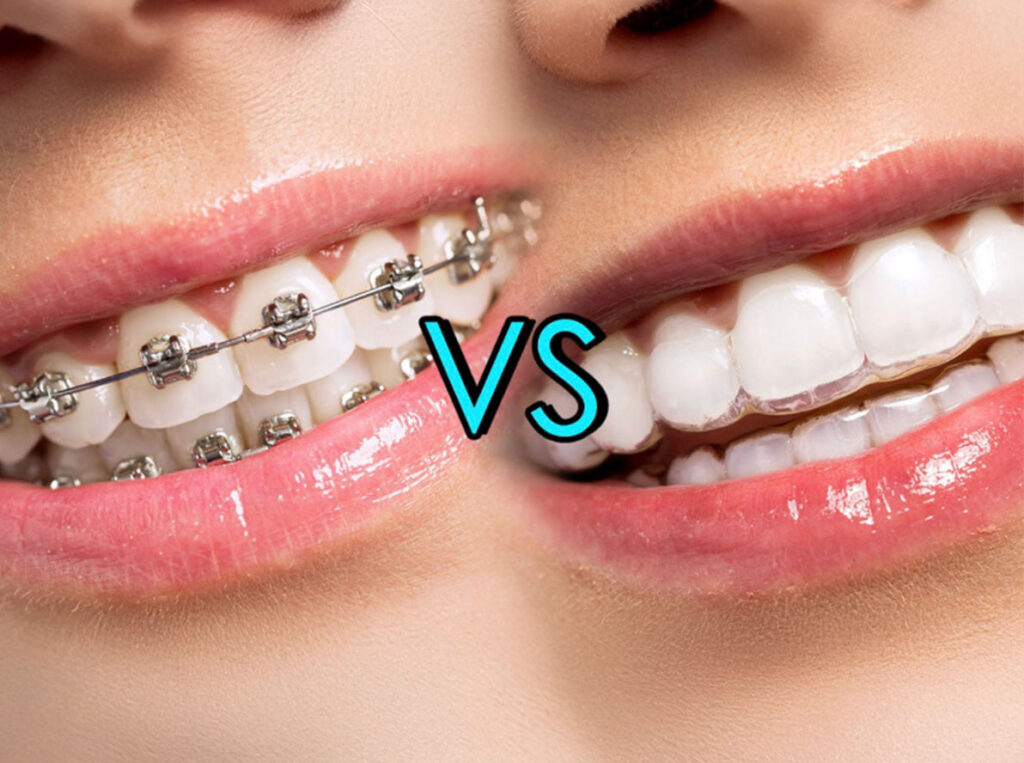
Clear Aligners vs Invisalign: What’s the Real Difference? Invisalign is a brand of clear aligner made by Align Technology. It uses a patented material called SmartTrack and is fitted and monitored exclusively through dentists and orthodontists. “Clear aligners” is the wider category, and it includes Invisalign alongside a growing number of other systems, some dentist-led, some sold direct to consumers online. Most people searching “clear aligners vs Invisalign” already sense the two aren’t quite separate things, but the terms get used loosely enough that it’s worth spelling out properly. Below is what actually differs between the Invisalign brand and generic clear aligner treatment, what each costs in the UK, how long they take, and which one is likely to suit your case. What Are Clear Aligners? Clear aligners are custom-made, removable plastic trays that move your teeth gradually, one small stage at a time. You wear each set for one to two weeks, then move to the next tray in the series, and your teeth shift a fraction of a millimetre at each step until the whole treatment plan is complete. The category covers Invisalign, but also ClearCorrect, Spark, Angel Aligners, and Lucent’s own clear aligner treatments, among others. What made aligners popular in the first place was fairly simple: they’re far less visible than metal braces, and because they come out for eating, brushing and flossing, there’s no real change to daily life during treatment. What Is Invisalign? Invisalign launched in 1997 and was the first clear aligner brand to reach the mass market. It’s still the most recognised name in the category, partly because it was first, and partly because it has more clinical case data behind it than most competitors. Invisalign trays are made from SmartTrack, a proprietary plastic designed to apply steadier, more predictable pressure than standard aligner material, and treatment is planned using detailed 3D digital scans before the first tray is even made. Unlike some newer clear aligner brands, Invisalign has no direct-to-consumer version — every patient goes through a dentist or orthodontist, with in-person check-ups built into the process. Key Differences at a Glance Factor Generic Clear Aligners Invisalign Material Varies by brand, usually a comparable medical-grade plastic Patented SmartTrack material Treatment planning Digital scans and software, quality varies by provider 3D imaging backed by a large clinical dataset Best suited to Mild to moderate cases Mild, moderate, and many complex cases Supervision Depends on provider — some in-clinic, some mail-order Always through a licensed dentist or orthodontist UK cost (approx.) £999–£3,500 £1,500–£5,500 Check-ups Depends on provider Roughly every 6–10 weeks The gap between Invisalign and a well-run, dentist-supervised aligner brand has narrowed a lot in the past few years. For mild-to-moderate cases, which make up the majority of patients, clinical outcomes tend to land in a similar place. Invisalign’s advantage shows up more clearly in harder cases significant crowding, bite correction, or teeth that need to move in unusual directions where its larger evidence base and material properties count for more. Cost Comparison in the UK Price is usually where the decision actually gets made once people realise the clinical difference is smaller than they expected. Invisalign in the UK typically runs from around £1,500 for minor cases up to £5,500 or more for full complex treatment, with most patients landing somewhere between £3,000 and £4,500. Dentist-supervised generic clear aligners, Lucent included, tend to sit lower for comparable cases, usually between £1,895 and £4,495, largely because there’s no brand premium attached. At-home, mail-order aligners can undercut both, sometimes starting under £1,000, but that price reflects the absence of a dentist checking whether treatment is appropriate for you in the first place, and whether it’s actually working once you’ve started. It’s worth being cautious here. A handful of direct-to-consumer aligner companies with no in-person dental supervision have closed down in recent years, leaving customers partway through treatment with no one to turn to. A lower price isn’t much of a saving if nobody is checking your teeth are tracking as planned. Full pricing for each of our treatment plans is available on the clear aligner treatments page. Treatment Time Comparison Treatment length depends far more on how much your teeth need to move than on which aligner brand you choose. As a rough guide: Minor spacing or mild crowding usually takes three to six months, whether you’re using Invisalign or a comparable dentist-supervised alternative. Moderate crowding or alignment issues generally run six to twelve months. Complex bite correction or a full smile redesign can take twelve to eighteen months, and this is where Invisalign’s longer track record with difficult cases sometimes gives it an edge in predictability. We’ve gone into this in more detail in our guide to how long Invisalign actually takes, including timelines broken down by case type. Which Works Better, By Case Type For mild cases small gaps, slight rotation, minor crowding generic clear aligners and Invisalign perform very similarly, and cost becomes the more meaningful factor in choosing between them. For moderate cases, involving general crowding, wider spacing, or a minor bite issue, results are still broadly comparable between the two. What matters more at this stage is the quality of the treatment plan and the experience of the dentist supervising it, rather than the name on the aligner packet. For complex cases, including significant crowding or overbite, underbite, and crossbite correction, Invisalign’s larger clinical dataset and attachment system can produce more predictable results. That said, an experienced dentist working with a well-designed generic aligner system can still achieve strong outcomes for many complex cases too. Most dental professionals would tell you the brand matters less than who’s supervising the treatment. A skilled dentist using a solid clear aligner system will usually get better results than an unsupervised product with no clinical oversight, whatever logo is on the box. Dentist-Supervised Treatment vs At-Home Mail-Order Aligners This distinction matters more than the brand comparison itself, and it applies whether you go with Invisalign or a generic system. With dentist-supervised
How Long Does Invisalign Take? Real UK Timelines
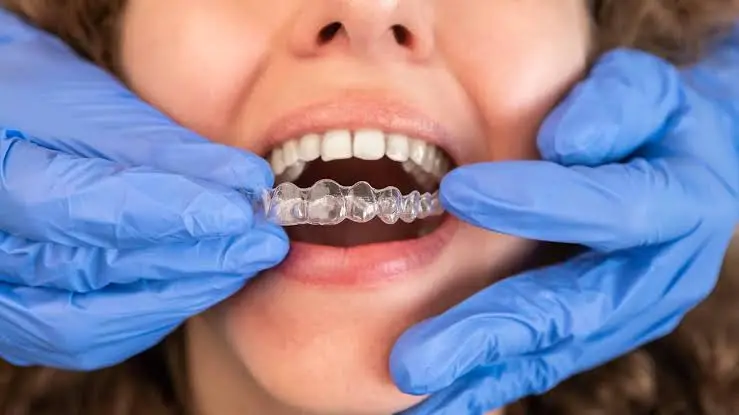
How Long Does Invisalign Take? Average Treatment Time Explained Quick answer: Most Invisalign treatments take 3 to 18 months, depending on how much movement your teeth need. Minor crowding or small gaps can be corrected in as little as 3–4 months, moderate cases typically take 4–8 months, and complex bite corrections can run 12–15 months or longer. Your dentist confirms your exact timeline after a 3D scan of your teeth. If you’re comparing Invisalign to metal braces, or just want to know what to expect before you commit, here’s a full breakdown of what actually determines your Invisalign timeline and how to make sure you’re not one of the patients who ends up wearing aligners longer than necessary. Average Invisalign Treatment Time At a Glance Not every case is the same, so “how long does invisalign take” doesn’t have one single answer, it depends on your starting smile. Here’s a realistic breakdown by case complexity: Case Complexity What It Involves Typical Treatment Time Minor Small gaps, mild crowding, slight rotation 3–4 months Mild–Moderate Noticeable crowding or spacing, minor bite issues 4–6 months Moderate General crowding and alignment issues 6–8 months Complex Significant crowding, bite correction, full smile redesign 12–15 months This mirrors what we see across Lucent Clear Aligners patients: our Lucent One plan is built for 3–4 month minor corrections, Lucent Smile for 4–6 month cases, Lucent Max for 6–8 month general alignment, and Lucent Infinity for 12–15 month complex smile transformations. A dentist can only confirm which category you fall into after reviewing a 3D scan of your teeth; no two smiles move at the same speed. What Affects How Long Invisalign Takes to Work Several factors influence your personal Invisalign timeline. Understanding them helps set realistic expectations from day one. 1. How much your teeth need to move The single biggest factor. Straightforward spacing or mild crowding requires fewer aligner stages than correcting an overbite, underbite, or crossbite, each of which needs more controlled, gradual movement. 2. Wear time (compliance) Aligners only work while they’re in your mouth. Dentists recommend 20–22 hours a day. Removing them too often for meals, snacking, or forgetting to put them back in, is the most common reason treatment stretches out longer than the original plan. 3. Attachments and refinements Small tooth-coloured attachments are sometimes bonded to teeth to give aligners extra grip for more complex movements. If your teeth don’t track exactly as planned, your dentist may order refinement aligners, an extra short round of trays, which adds a few weeks to months. 4. Age and biology Teenagers’ teeth generally move faster because their jawbone is still developing. Adult treatment isn’t slower because of age itself, but adults are more likely to need bite correction alongside cosmetic alignment, which can extend the plan. 5. Aligner-change schedule Some plans switch trays every 1–2 weeks depending on how your teeth are responding, which your dentist monitors and adjusts throughout treatment. The Invisalign Process, Step by Step Knowing the invisalign process helps make sense of the timeline: Free E-Consultation — An initial online consultation to review your smile goals and recommend a suitable treatment plan. Book an E-Consultation to start. In-Clinic Assessment & 3D Scan — A full oral exam plus 3D digital scans, used to design your custom aligner plan and give you an accurate treatment-time estimate. Aligner Fitting — You receive your first set of custom clear aligners, along with your full wear-and-care protocol. Wearing & Changing Trays — You progress through your aligner series, changing sets on your dentist’s schedule while they monitor tooth movement. Refinements (if needed) — A short additional set of aligners to perfect the final result. Retainers — Once treatment finishes, custom retainers are fitted to keep your new smile in place — a step that’s easy to overlook but essential. How Long Does Invisalign Take for Specific Problems? People often search for how long treatment takes for their exact issue, so here’s a closer look: How long does Invisalign take to close a gap? Small single gaps can often close in as little as 3–4 months; multiple or wider gaps take longer. How long does Invisalign take to fix an overbite? Bite corrections are more involved and typically fall into the 9–15 month range, depending on severity. How long does Invisalign take for crowding? Mild crowding: 3–6 months. Moderate to severe crowding: 6–12+ months. How long does it take to get used to Invisalign? Most patients adapt to wearing and speaking with aligners within the first 1–2 weeks. Invisalign vs Braces: Which Is Faster? Traditional metal braces and Invisalign often land in a similar overall timeframe for comparable cases, braces treatment commonly runs 12–24 months. Invisalign isn’t always faster in every case, but for mild-to-moderate corrections it frequently finishes sooner, because trays are changed more precisely and adjusted based on real-time scan data rather than fixed wire adjustments every few weeks. According to the American Association of Orthodontists, average orthodontic treatment length varies significantly by case, which is why an in-person assessment not a generic average is the only reliable way to know your own timeline. How to Make Invisalign Work Faster You can’t force teeth to move faster than biology allows, but you can avoid adding unnecessary time to your plan: Wear your aligners 20–22 hours a day, every day — this is the single biggest factor in staying on schedule. Change trays exactly on schedule, not early or late. Attend every check-up so your dentist can catch tracking issues before they need a full refinement. Clean aligners properly to avoid staining, warping, or damage that could force a remake. Use chewies if recommended, to help trays seat fully against your teeth. How Long Does Invisalign Take With Lucent Clear Aligners? Every Lucent treatment plan is built around realistic, dentist-confirmed timelines rather than one-size-fits-all promises: Lucent One — 3–4 months, for minor crowding or small gaps Lucent Smile — 4–6 months, for mild-to-moderate alignment plus whitening Lucent Max — 6–8 months, for general crowding
Does Invisalign Hurt? Pain Timeline, Causes & Relief Tips (2026)
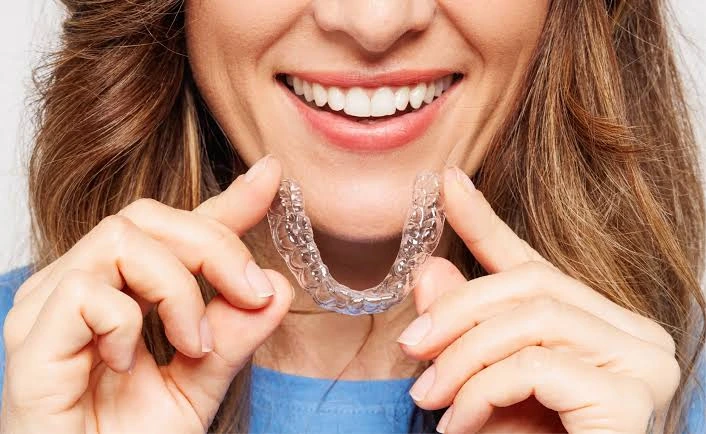
Does Invisalign Hurt? Pain Timeline, Causes & Relief Tips If you’re weighing up whether to start Invisalign, there’s a good chance pain is the thing holding you back. It’s one of the first questions almost every patient asks us, and honestly, it’s a fair one to ask before you commit to months of treatment. Here’s the short version. Invisalign doesn’t hurt in the way most people picture when they hear the word “pain.” What you’ll actually feel is pressure, mostly in the first day or two after putting in a new tray, and it settles down well before the next one arrives. Most people describe it as tightness rather than anything sharp. It’s uncomfortable at times, sure, but it’s not the kind of thing that stops you going about your day. We get asked this question in almost every consultation at Lucent Clear Aligners, so we wanted to put together something more useful than the usual one-line answer. Below we’ll walk through what the discomfort actually feels like, how long it tends to last, why it happens in the first place, how it stacks up against braces, and what genuinely helps when a new tray leaves your teeth feeling tender. Does Invisalign Hurt? What the Discomfort Actually Feels Like Aligners work by putting steady, gentle pressure on your teeth so they shift into a new position over time. That pressure is really what people mean when they ask if Invisalign hurts, and for most patients it’s noticeable rather than painful. Is Invisalign Painful or Just Uncomfortable? The way patients usually describe it to us is tightness, or a slightly bruised feeling around the teeth, a bit like what you’d feel after accidentally biting down on something hard. It’s not sharp, and it doesn’t throb. If what you’re feeling is more like actual pain than pressure, that’s usually a sign something needs a second look, which we’ll come back to later. What Does Invisalign Feel Like? In the first day or so with a new tray, you’ll probably notice: A snug, almost too-tight feeling as the aligner beds in Some tenderness when you bite down or chew A dull ache that tends to be more obvious at night or first thing in the morning Mild soreness where the edge of the tray sits against your gums Give it three or four days and most of that has faded into the background. How Long Does Invisalign Hurt? This is probably the question we hear most after “does it hurt” itself, and it makes sense. Once you know roughly how long the discomfort lasts, it stops feeling like a big deal. Pain on the First Day Your very first tray, or any brand new one, tends to bring the strongest pressure in that first 24 hours. It’s the moment your teeth first register the force, so it’s worth expecting a bit of an adjustment. Pain in the First Week Most of the soreness shows up within the first day or two of switching trays and eases off from there. By the end of the week, the majority of patients say they’ve stopped noticing it. Your cheeks and tongue might take a little longer, maybe a week or two, to get used to having plastic in your mouth all day. That’s completely normal too. When Does Invisalign Stop Hurting? For most people, discomfort disappears within a week of changing trays and doesn’t come back until the next change, at which point it repeats in a smaller way. Quite a few patients tell us later trays actually feel easier than the first few, partly because they know what’s coming and partly because their mouth has simply adjusted to wearing aligners. If it’s been more than a week since your last tray change and you’re still sore, it’s worth mentioning to your dentist rather than waiting it out. Why Does Invisalign Hurt? (The Real Causes) Knowing what’s actually happening in your mouth tends to make the whole thing feel a lot less worrying. Tooth and Periodontal Ligament Pressure Each aligner is designed to nudge your teeth by a tiny fraction of a millimetre. That movement happens through the periodontal ligament, the tissue holding each tooth root in its socket, which gradually remodels around the tooth as it moves. That remodelling is what causes the pressure sensation, and it’s a normal part of how any orthodontic treatment works, whether that’s aligners or braces. It’s also worth knowing that a poorly fitted aligner can put uneven force on this ligament, which is one of the reasons treatment should always be planned and checked by a qualified dentist rather than an unsupervised, mail-order kit. Gum Irritation and Sore Spots Sometimes the edge of a new tray rubs slightly against your gumline until your mouth gets used to its shape. It usually settles within a few days, once the plastic warms to body temperature and softens a little with wear. Jaw Soreness Some patients feel mild jaw or muscle soreness, especially if bite correction is part of their plan. A warm compress or some gentle jaw stretches usually helps. Tongue and Cheek Irritation New trays can feel a bit bulky to begin with, so it’s common to notice your tongue or cheek catching on them, particularly around attachments (the small tooth-coloured bumps that help guide movement). This tends to fade quickly as your mouth learns the new shape. Is the First Tray the Worst? Pain With Each New Aligner A lot of patients assume the discomfort builds as treatment goes on, but for most people it’s actually the reverse. The first tray is usually the toughest, simply because your teeth and mouth have never dealt with this kind of pressure before. After that, each new tray tends to bring a smaller, more familiar version of the same feeling: a bit of tightness for a day or two, then it fades. Trays involving bigger movements, like rotating a tooth or closing a wider gap, can feel a little more noticeable